These days, with the topic of climate change at the forefront of many peoples anxieties, discussion and interest around alternative fuel and energy sources has increased. Alternative fuels and energy refer to fuels that are not the traditional fossil fuels or nuclear energy. Minnesota currently works to employ the use of many alternative fuels such as:
Biodiesel- Biodiesel is a fuel that is renewable as it is created from vegetables, animal fat, and can even incorporate recycled cooking grease. It can be made locally so it cuts down on transportation costs, it generally has fewer emissions and is less harmful to the environment than traditional diesel. However the amount of emissions from biodiesel depends on the regular diesel it is mixed with.
Ethanol: A renewable fuel made from plants, the main crop used being corn. It is normally blended with gasoline so it still has some considerable emissions, however these emissions are supposedly offset by the carbon capture of new crop growth. Ethanol does not contain as much energy as traditional fuels so it has less fuel economy.
Electricity: Electric power cars are on the rise, especially with the advent of Tesla vehicles. Electric cars use plug ins to recharge their electric batteries, and hybrid cars use both fuel and electricity. In hybrid cars they use the electricity to boost fuel efficiency.
As well as other notable fuels like hydrogen, propane, and natural gasses.
Minnesota also engages in alternative energy sources such as:
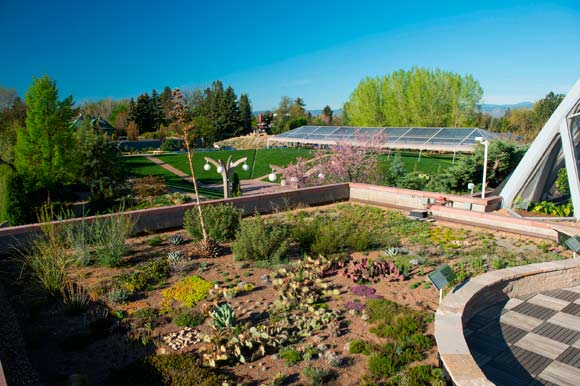
Solar power: Captures the suns energy using specialized solar cells that make up a larger solar panel, can be stored for later use if the sun isn’t out, however is not reliable in places that have fewer sunny days. Solar power systems include systems for heating water and solar systems for heating air in your home.
Wind power: Uses the motion of wind to turn wind turbines that generate electricity from the movement, in recent years wind turbines have become less costly to build, but a downside is that it will not generate electricity on days with no wind, and it also effects the bird populations. It is typically used for larger scale operations rather than individual use like solar power-such as farms and commercial size retail.
Hydro: Relies on water sources to create movement to generate energy for electricity. Minnesota uses it throughout river systems as well as in some of our many lakes. Often times dams are set up to facilitate the collection of this energy.
Biomass: Biomass is created using organic material and can be burned to create electricity and heat, it can also be left to decay in large piles and it will generate its own heat from within that way and then the energy can be harvested from that as well. Gasses can be let off from the decay that can be harvested, and then the materials can also be used as fertilizer. There are many different kinds of biomass.
Minnesota employs all these and more, and are on the lookout for even more efficient clean energy solutions- if you have some in mind that aren’t listed here we would love to hear them in a comment!
Sources:
https://www.dnr.state.mn.us/forestry/biomass/index.html
https://www.eia.gov/state/?sid=MN
https://www.pca.state.mn.us/living-green/alternative-energy
https://afdc.energy.gov/fuels/